The Pre-Purchase Used-Car Inspection Guide for Buyers
What a buyer should check themselves first, before paying for a professional pre-purchase inspection on a used car.
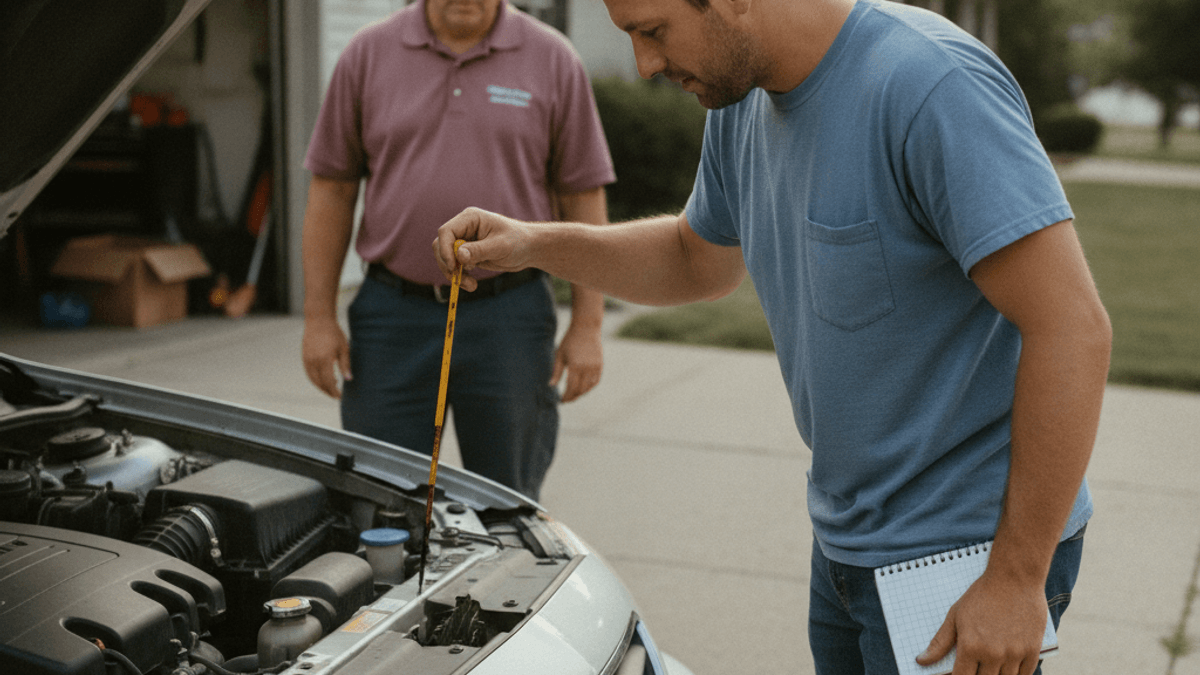
What You Can Check in the Driveway
Start with the paint and panel gaps in good daylight, looking for mismatched color between panels or gaps that aren't even, both signs of prior accident repair. Check the oil on the dipstick for a milky or gritty appearance, either of which can point to a bigger problem than a simple oil change. Look under the car for fresh fluid spots on the ground or wet residue on the engine and transmission. Run the vehicle identification number through NHTSA's free VIN lookup tool before you ever meet the seller, which surfaces open safety recalls in minutes.
The Test Drive Checklist
Start the engine cold if you can, since a rough or smoky cold start can reveal problems a warmed-up engine hides. Listen for unusual noises while accelerating from a stop, braking, and turning at low speed in a parking lot. On the road, check that the car tracks straight without pulling to one side, and that the brakes stop it evenly without pulling or a soft pedal. Turn on every electrical accessory, the air conditioning, heater, power windows, and infotainment screen, since a seller focused on the mechanicals can miss a dead power window motor.
When to Call a Pro Instead
Everything above tells you whether a car is worth pursuing further, not whether it's mechanically sound underneath. Before you hand over any money, a pre-purchase inspection on a lift lets a shop check brake and suspension components, look for frame damage, and scan for stored codes you can't see from the driveway. That inspection typically costs far less than a surprise repair bill discovered after the sale. Never attempt to inspect the underside of a car yourself on a jack without proper jack stands. A jack alone isn't rated to hold a vehicle steady while someone works underneath it.
Rather have a pro handle it?
Free estimates from trusted local auto repair shops across Greater Topeka. A real person picks up.
Keep reading.
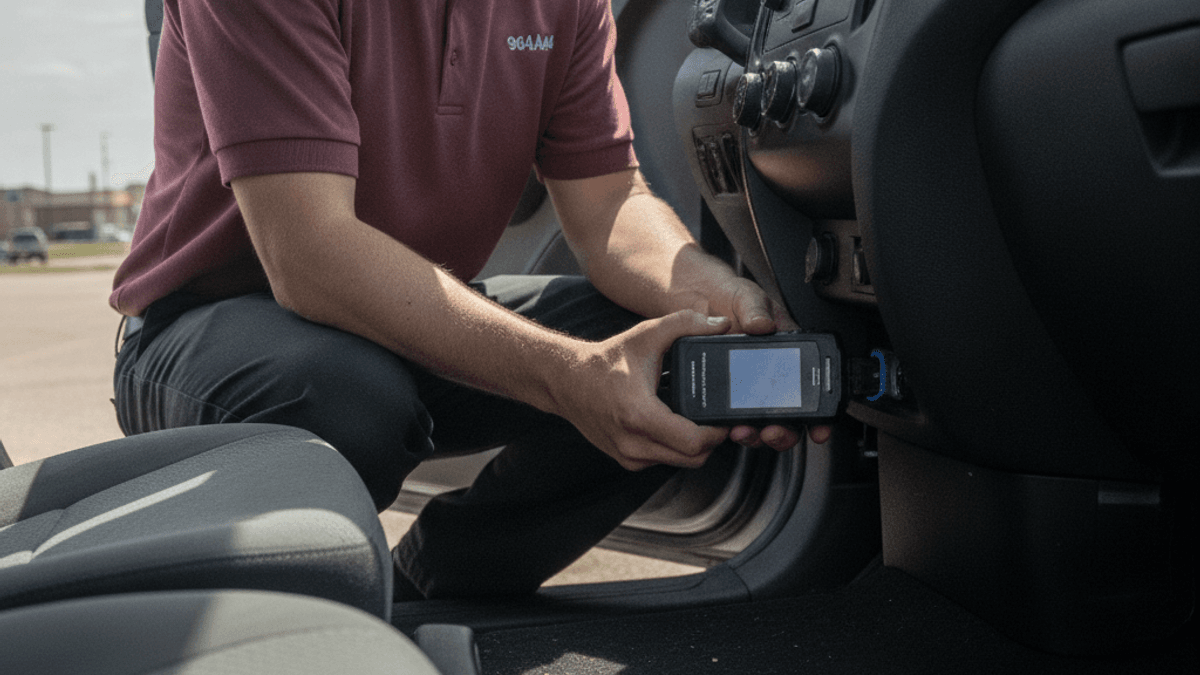
Decoding the Check Engine Light: A Homeowner's Basics Guide
A plain-language walkthrough of what a solid versus flashing check engine light means and what a cheap code reader can and can't tell you.
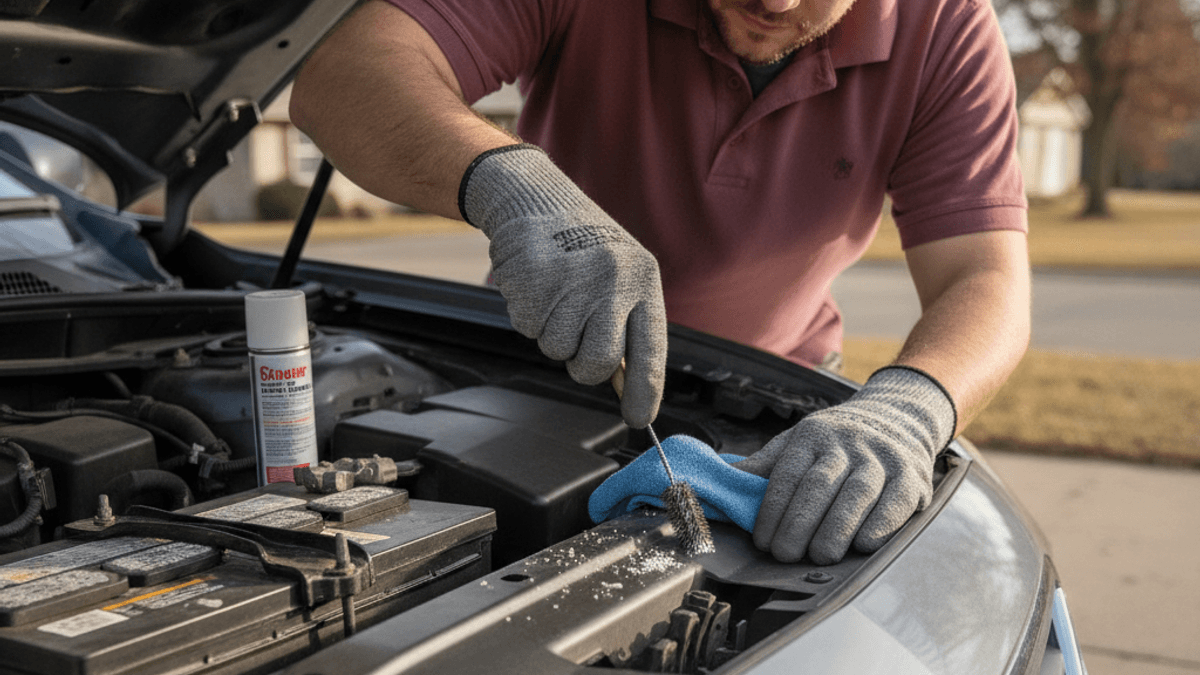
The Pre-Winter Car Checklist Every Kansas Driver Needs
DIY-safe battery, tire, fluid, and wiper checks any Topeka driver can run before the first hard freeze of the season hits.
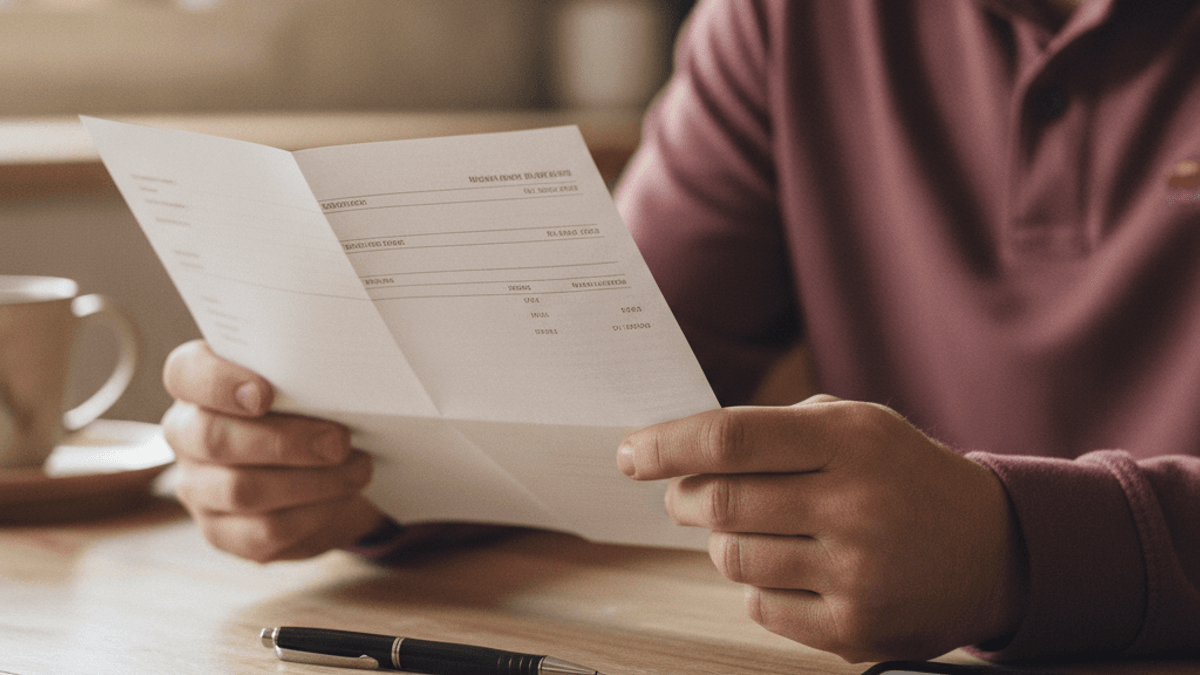
What a Fair Auto Repair Estimate Looks Like in Kansas
What a written estimate should include and the Kansas consumer-protection norms worth knowing before you approve any repair work.