What a Fair Auto Repair Estimate Looks Like in Kansas
What a written estimate should include and the Kansas consumer-protection norms worth knowing before you approve any repair work.
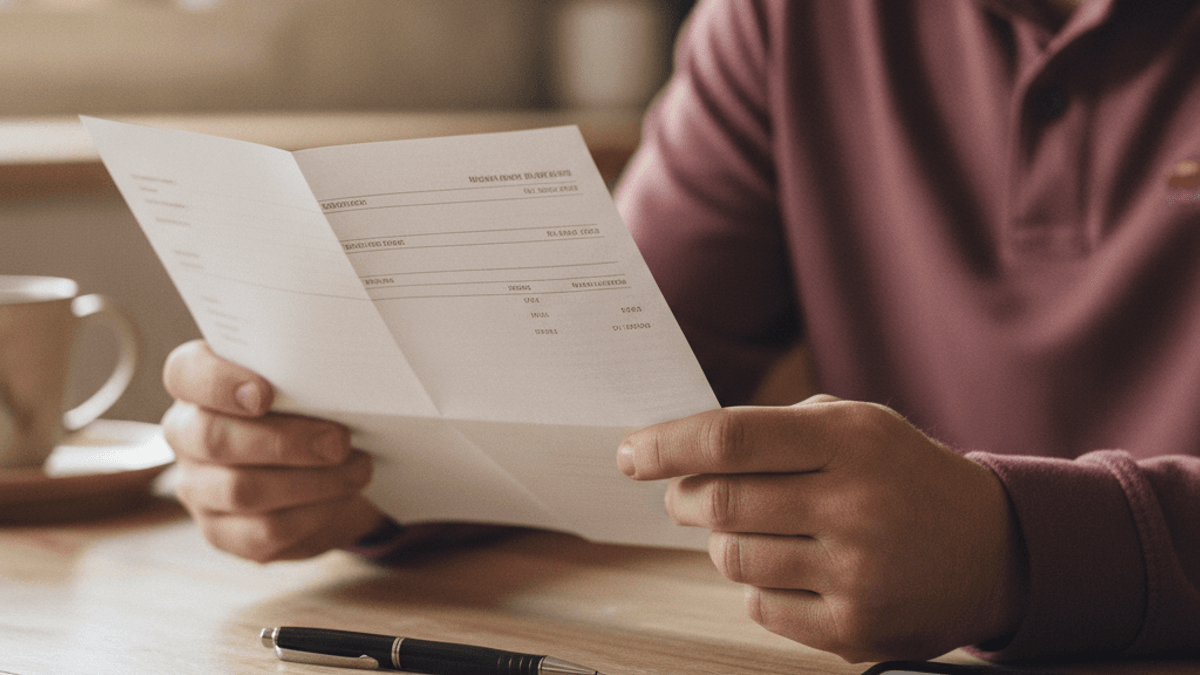
What a Written Estimate Should Include
A fair estimate itemizes parts and labor separately, names the specific parts being replaced, and states the shop's hourly labor rate rather than bundling everything into one vague number. It should also note whether parts are new, remanufactured, or used, since that affects both price and warranty coverage. Look for a diagnostic fee listed up front, and ask whether that fee gets credited toward the repair if you approve the work. A shop that won't put an estimate in writing before starting work is a signal to get a second opinion.
How to Read It Before You Approve Anything
Compare the estimate against the symptom you actually brought the car in for. If a shop wants to replace parts unrelated to what you described, ask them to explain the connection before you say yes. Under the Kansas Consumer Protection Act (K.S.A. 50-623 et seq.), a shop generally shouldn't perform work you didn't authorize and then bill you for it, so get any changes to the original estimate confirmed in writing or by text before work continues. If something about the estimate feels off, you can ask for the old parts back once they're replaced, a reasonable request most shops will honor.
When to Call a Pro Instead
This isn't really a do-it-yourself topic. The actual repair work always belongs with a professional shop, and that's the point of a referral service like this one. What you can do yourself is read the paperwork closely, ask questions before signing, and know where to turn if a shop won't put things in writing. If a dispute over an estimate or completed work doesn't get resolved directly with the shop, the Kansas Attorney General's Consumer Protection Division takes complaints at 1-800-432-2310 and online.
Rather have a pro handle it?
Free estimates from trusted local auto repair shops across Greater Topeka. A real person picks up.
Keep reading.
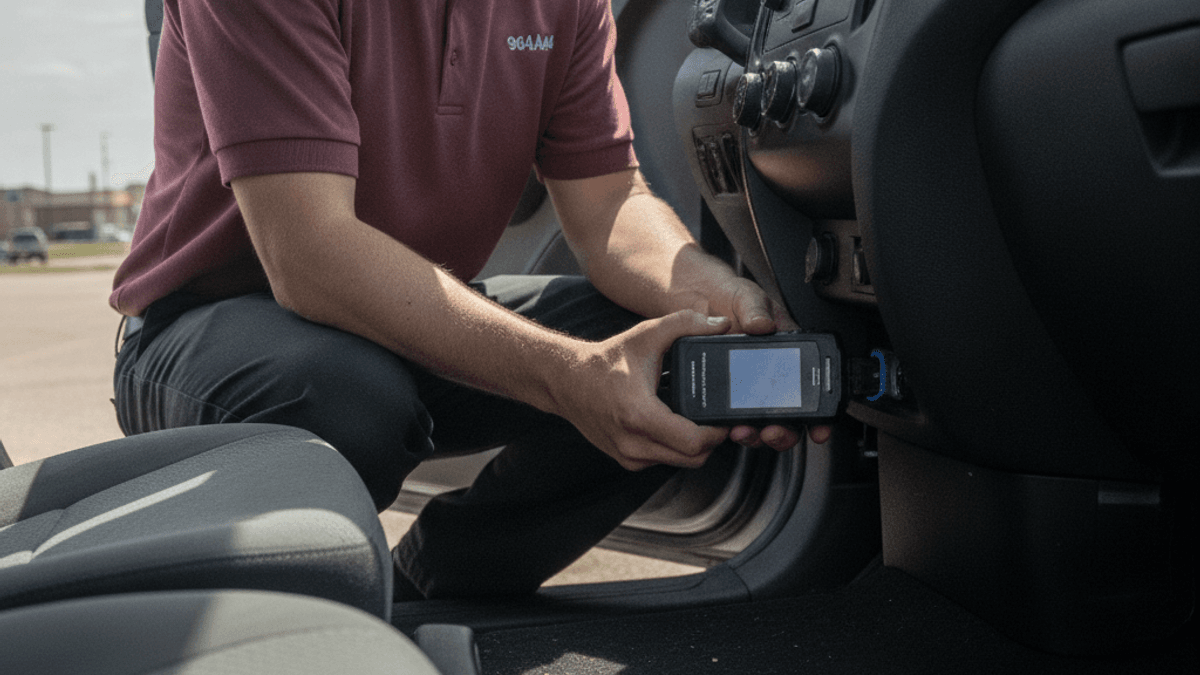
Decoding the Check Engine Light: A Homeowner's Basics Guide
A plain-language walkthrough of what a solid versus flashing check engine light means and what a cheap code reader can and can't tell you.
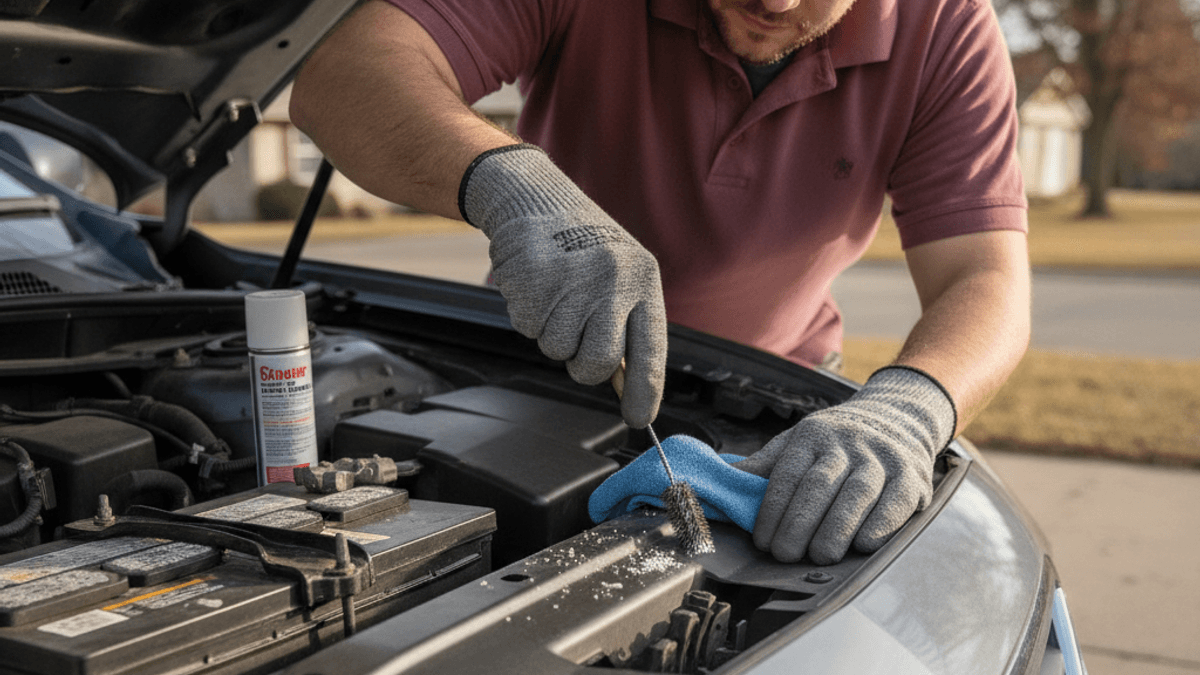
The Pre-Winter Car Checklist Every Kansas Driver Needs
DIY-safe battery, tire, fluid, and wiper checks any Topeka driver can run before the first hard freeze of the season hits.
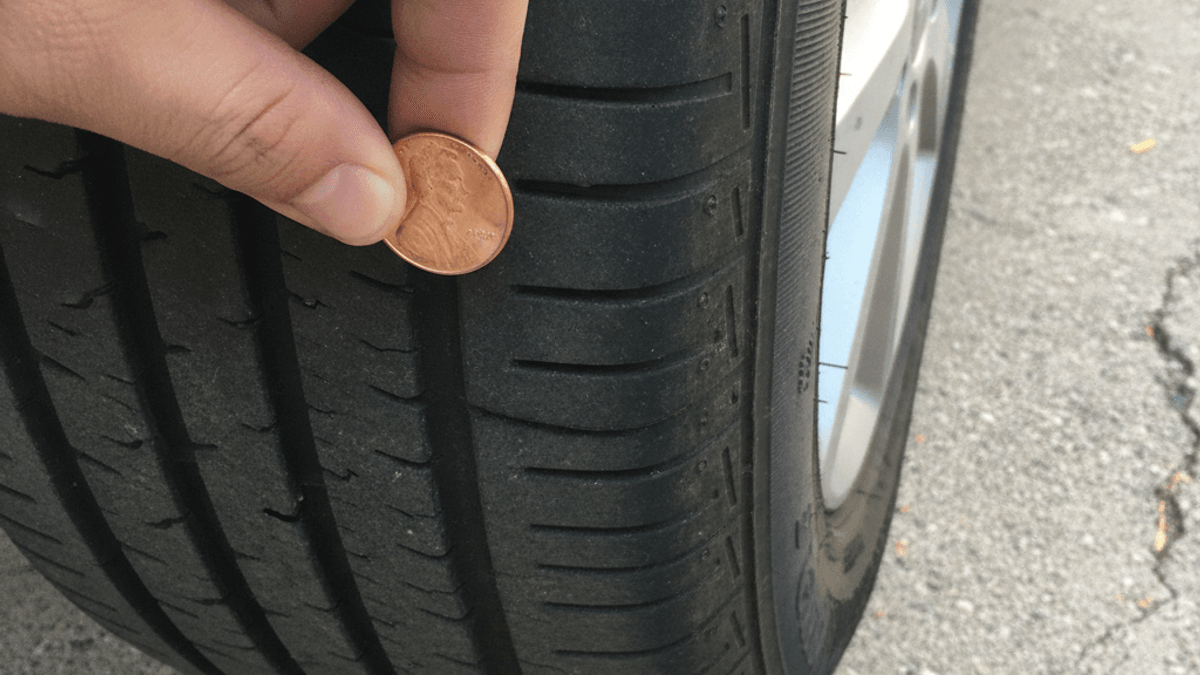
How to Check Your Own Tire Wear (The Penny Test and Beyond)
Simple tread-depth and wear-pattern checks any driver can run at home to flag an alignment or suspension problem early.