How to Check Your Own Tire Wear (The Penny Test and Beyond)
Simple tread-depth and wear-pattern checks any driver can run at home to flag an alignment or suspension problem early.
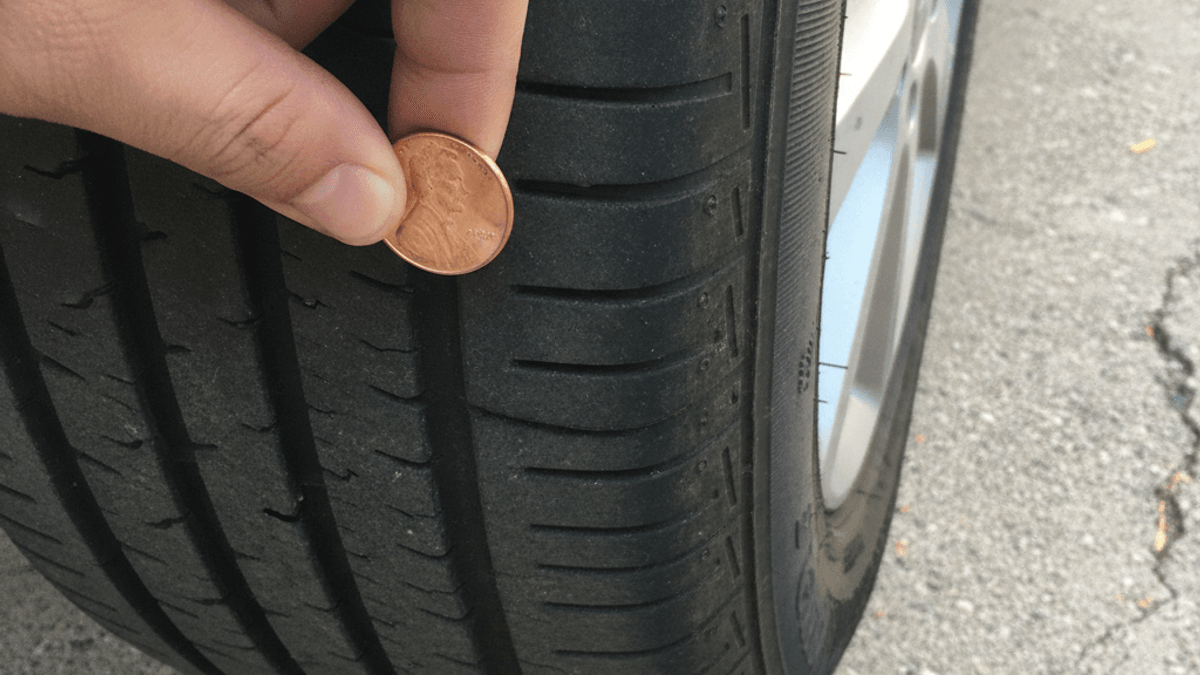
The Penny Test and Tread Depth
Push a penny into a tire's tread groove with Lincoln's head pointing down. If you can see all of Lincoln's head, the tread has worn to around 2/32 of an inch or less, which is the legal replacement threshold in most states, including Kansas. A tread depth gauge, sold cheap at most auto parts stores, gives a more precise reading than the penny test and takes about the same amount of time. Check depth at three points across each tire, the inner edge, the center, and the outer edge, since uneven wear tells you more than a single measurement.
Reading Wear Patterns
Even wear across the whole tread usually means normal aging and proper inflation. Wear concentrated on one edge, inner or outer, often points to an alignment problem pulling the tire off its correct angle. Wear in the center only, with more tread left on both edges, usually means the tire has been overinflated, while wear on both edges with more tread in the center points to underinflation. Cupping, which looks like scalloped dips spaced around the tire, often signals a worn shock or strut rather than anything wrong with the tire itself.
When to Call a Pro Instead
Uneven wear patterns are a symptom, not the underlying problem, and fixing them means diagnosing the alignment or suspension issue causing them, not just replacing tires and hoping. If you want a closer look at the underside of the tire or the suspension parts near it, don't get under the car on a jack by itself. A jack alone can shift or fail under load, and any real inspection underneath the vehicle needs proper jack stands or a lift, standard equipment at any shop we connect you with.
Rather have a pro handle it?
Free estimates from trusted local auto repair shops across Greater Topeka. A real person picks up.
Keep reading.
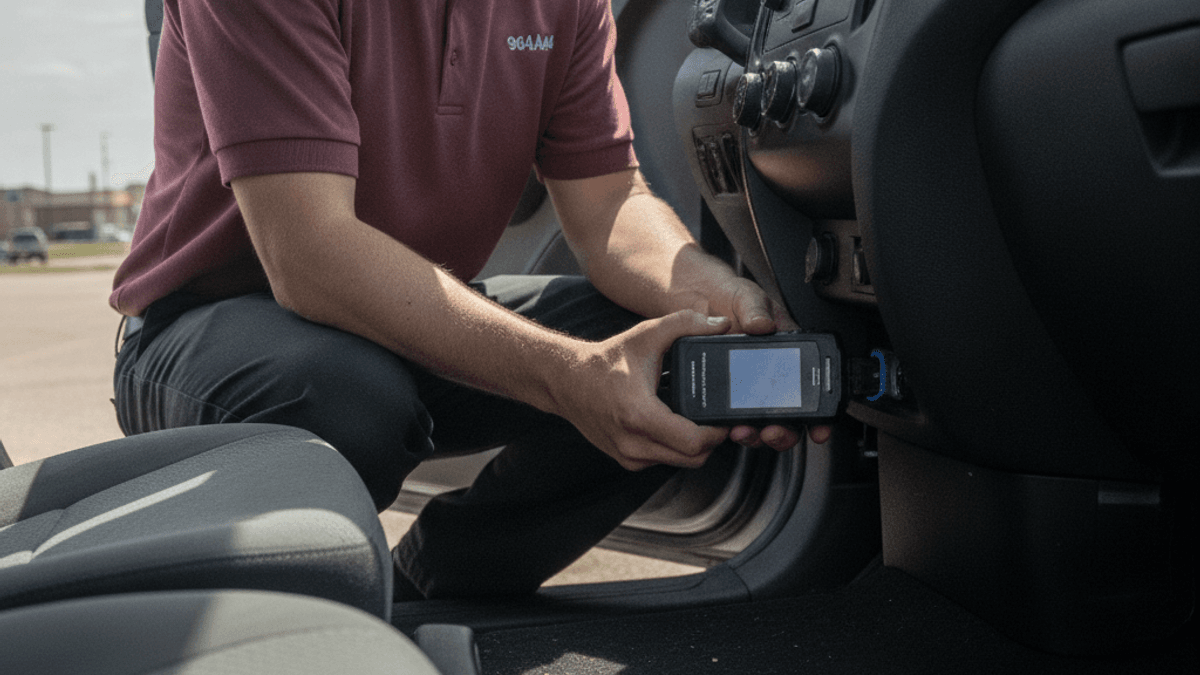
Decoding the Check Engine Light: A Homeowner's Basics Guide
A plain-language walkthrough of what a solid versus flashing check engine light means and what a cheap code reader can and can't tell you.
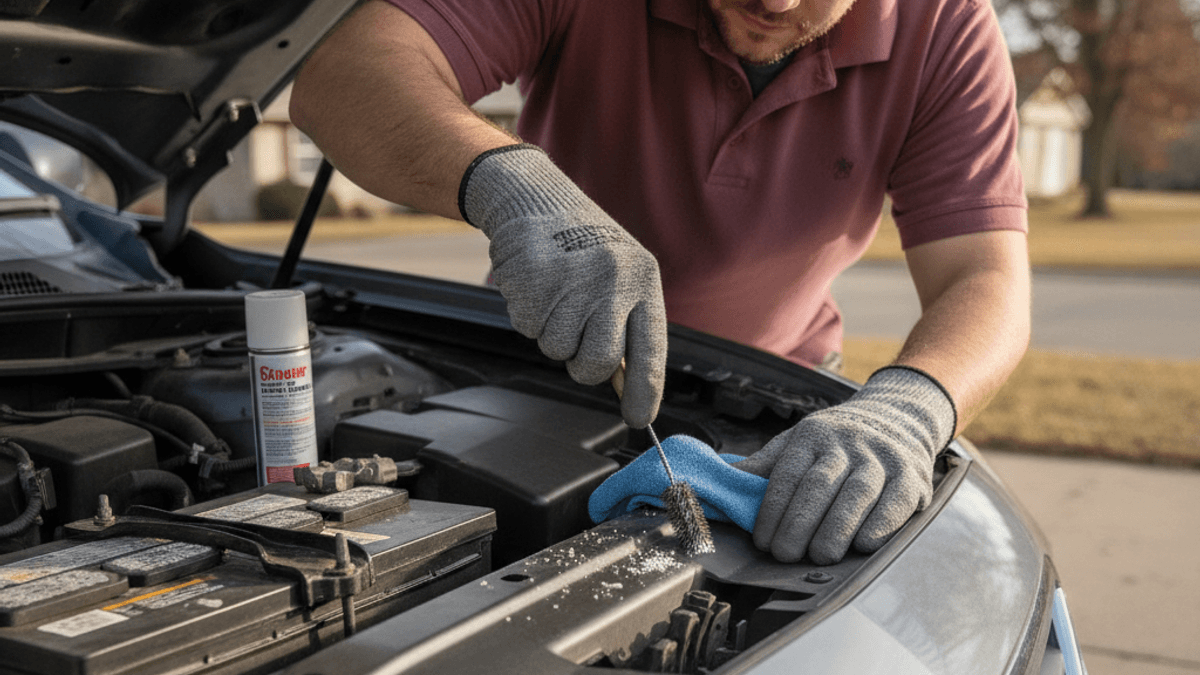
The Pre-Winter Car Checklist Every Kansas Driver Needs
DIY-safe battery, tire, fluid, and wiper checks any Topeka driver can run before the first hard freeze of the season hits.

What a Fair Auto Repair Estimate Looks Like in Kansas
What a written estimate should include and the Kansas consumer-protection norms worth knowing before you approve any repair work.