A fact most Kansas drivers don’t know
Kansas does not require a state license for auto repair shops or the mechanics who work in them. There’s no equivalent to a contractor’s license board checking credentials before a shop can open its doors and start quoting repairs. That surprises a lot of people, and it’s worth knowing before you’re standing at a service counter trying to decide whether an estimate sounds right.
The absence of a state licensing requirement doesn’t mean there’s no protection at all. It means the protection works differently, and the two tools that actually matter are a written estimate and the Kansas Consumer Protection Act. Understanding both puts you in a much stronger position than assuming a shop’s signage or a friendly front desk is any kind of credential.
Why a written estimate is the real safeguard
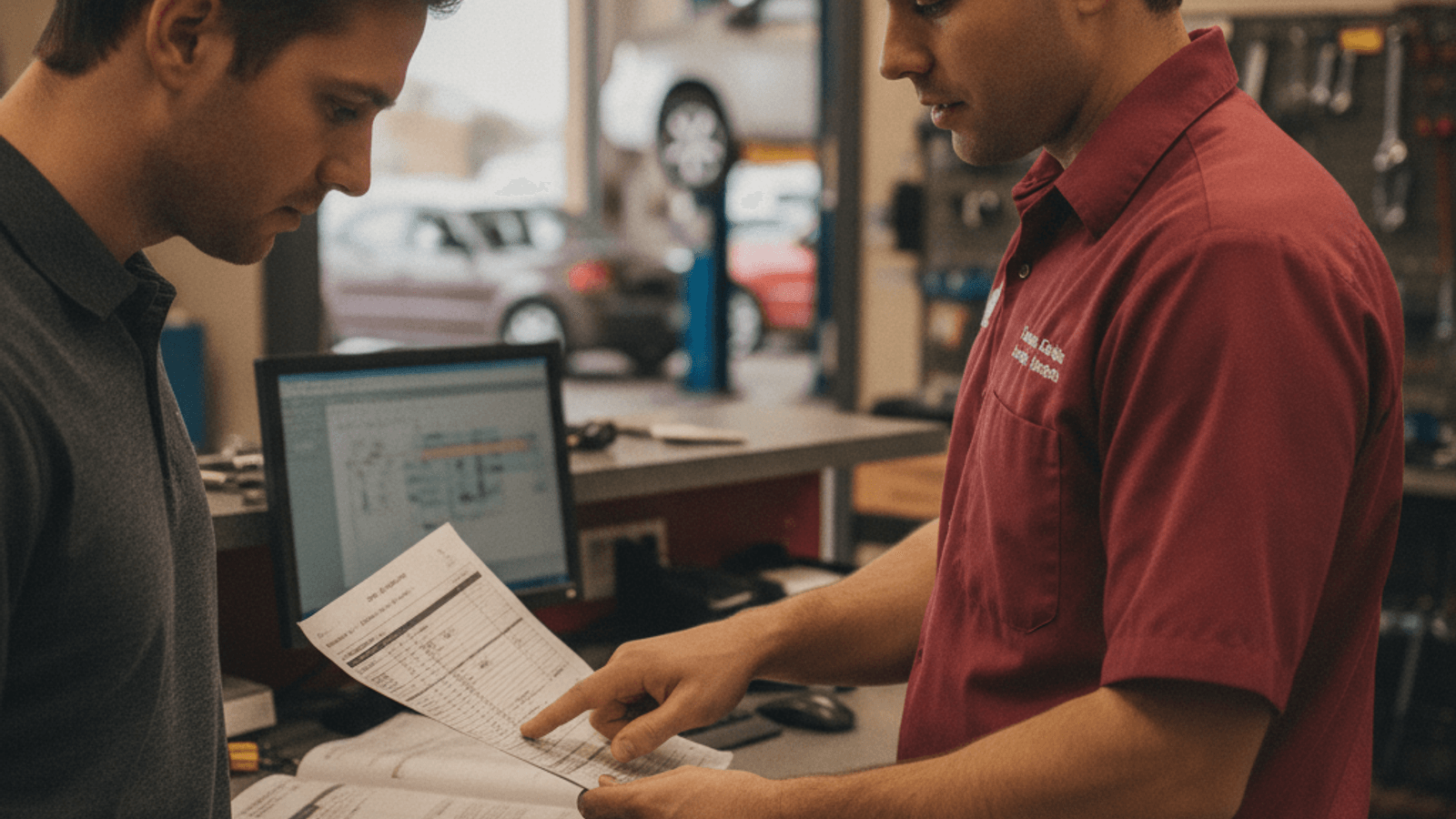
Kansas consumer protection law backs a customer’s right to a clear, written estimate before repair work begins, and that document is doing more work than it looks like. A fair estimate separates diagnostic fees, parts, and labor into distinct line items rather than a single lump number. It names the specific parts being replaced, not a vague category like “engine work.” It explains what was actually found during inspection or diagnosis that led to the recommendation, not just a bottom-line total.
Verbal-only estimates are where problems tend to start. A price given over the phone or across the counter with nothing in writing is easy to change later, whether intentionally or not, and gives you nothing to point back to if the final bill doesn’t match what you agreed to. Ask for the estimate in writing before any work starts, every time, regardless of how small the job sounds.
What a fair estimate includes, item by item
A genuinely fair written estimate covers a few consistent things. It lists the diagnostic or inspection fee separately from the repair itself, so you can see what you’re paying to find the problem versus fix it. It breaks out parts costs and labor costs rather than bundling them into one number that’s hard to question. It states whether parts are new, remanufactured, or used, since that distinction affects both price and expected lifespan. It includes an estimated completion time. And critically, it requires your authorization before the shop does any work beyond the diagnosis, meaning they call you with the findings and the price before proceeding, not after.
If a shop hands you a bill that includes work you didn’t specifically approve after seeing a price, that’s a red flag worth pushing back on immediately, not something to quietly pay and avoid next time.
Realistic price ranges, and why “realistic” varies by job
Prices vary enough by vehicle and by the specific repair that a single number for “brake repair” or “transmission service” isn’t meaningful on its own. What is meaningful is a range paired with an explanation of where your specific job falls within it. A brake repair estimate, for example, reasonably ranges from around $150 to $600 depending on whether it’s pads only or pads and rotors, and whether it’s one axle or both. A shop that explains why your job falls toward the higher or lower end of a realistic range, rather than just stating a number, is giving you something you can actually evaluate.
The same logic applies to bigger repairs. A transmission repair estimate should distinguish clearly between a fluid service, which is a meaningfully smaller cost, and a full rebuild, which isn’t, and should explain the diagnostic findings that led to recommending one over the other.
Getting a second opinion without feeling awkward about it
There’s nothing unusual or rude about getting a second opinion on a repair estimate, especially for a job running into the hundreds or thousands of dollars. A shop confident in its diagnosis has no reason to discourage that. If a shop pressures you to commit immediately, refuses to put the estimate in writing, or reacts badly to the idea of a second opinion, treat that reaction itself as useful information.
Where to actually verify credentials and file a complaint
Since Kansas doesn’t license shops directly, the practical vetting tools are different from what you’d use in a licensed trade. ASE certification is a legitimate, nationally recognized credential for individual technicians, and you can ask to see it or verify it yourself at ase.com. It’s reasonable to ask whether the technician working on your car holds it, though plenty of skilled mechanics without it do good work too; it’s one data point, not the whole picture.
For an actual dispute, unauthorized charges, work not performed as described, or an estimate that turned into a very different bill without your approval, the Kansas Attorney General’s Consumer Protection Division is the enforcement body behind the Kansas Consumer Protection Act (K.S.A. 50-623 et seq.). You can find information and file a complaint at ag.ks.gov/divisions/public-protection/consumer-protection, or call the consumer protection hotline at 1-800-432-2310.
Other red flags worth watching for beyond the estimate itself
A written estimate is the biggest single protection, but a few other patterns are worth noticing too. A shop that pressures you to authorize additional work immediately, while your car is already up on the lift and you feel stuck, is using urgency in a way a confident, honest shop generally doesn’t need to. A shop that can’t or won’t explain a diagnostic finding in plain language, giving you only a part name and a price with no context, is skipping the step that actually justifies the recommendation. And a shop that discourages you from getting a second opinion, rather than treating it as a normal and reasonable request, is worth treating with more scrutiny, not less.
What this looks like for a small-town shop versus a bigger one in Topeka
None of this changes based on shop size. A Main Street independent shop in Osage City or Holton should provide the same written estimate, the same clear explanation, and the same openness to a second opinion as a larger operation in Topeka proper. Smaller shops are often the only realistic option for a real radius of rural county roads, and plenty of them earn strong local reputations precisely because they’re straightforward about pricing and honest about what a car actually needs. The size of the shop isn’t the signal to watch. The clarity of the estimate is.
Keep your paperwork, even after the repair is done
Once a repair is finished, hold onto the written estimate, the final invoice, and any notes about what was found and replaced. That documentation matters for two reasons beyond the immediate repair. It protects your standing if a related problem comes up later and you need to show what was already addressed, and it builds a service history that helps with resale value and with future scheduled maintenance decisions, since a shop working on your car later can see exactly what’s already been done instead of guessing.
Does Kansas license auto repair shops or mechanics?
No. Kansas has no state licensing requirement for auto repair shops or the mechanics working in them. The main consumer protections come from the Kansas Consumer Protection Act and the standard practice of getting a written estimate before work begins.
What should I do if a shop’s final bill doesn’t match the estimate they gave me?
Ask for a clear explanation of what changed and why, in writing if possible. If the shop performed work beyond what you authorized after seeing the estimate, that’s worth disputing directly with the shop first, and escalating to the Kansas Attorney General’s Consumer Protection Division at 1-800-432-2310 if it isn’t resolved.
Is ASE certification required for a mechanic to work on my car in Kansas?
No, it’s not required, but it’s a legitimate credential worth asking about. You can verify a technician’s ASE certification directly at ase.com. Plenty of capable mechanics without it do quality work, so treat it as one useful data point rather than the only thing that matters.
Is it rude to ask for a second opinion on a repair estimate?
Not at all, and a shop confident in its diagnosis shouldn’t discourage it. For any repair running into the hundreds of dollars or more, a second opinion is a reasonable step, especially if the first estimate wasn’t explained clearly or wasn’t provided in writing.
Knowing what a fair estimate looks like is the best protection you have in a state without shop licensing. Topeka Auto Pro connects Greater Topeka drivers with local shops that provide clear, written estimates before any work starts. Call (785) 000-0000 and we’ll point you toward one.